

- Outdoor Clothing and Footwear

- All in the category Outdoor Clothing and Footwear
- Footwear

- Jackets

- Military Blouses

- Pants

- Functional clothing

- Sweatshirts

- Shirts

- Hawaiian & Lifestyle Shirts

- T-Shirts

- Shorts and Bermuda

- Overalls

- Caps and head coverings

- Gloves

- Socks

- Belts

- Suspenders

- Scarves, shawls, neckwear

- Raincoats, ponchos

- Women's clothing

- Children's clothing

- Clothing Care and Maintenance

- Patches & Insignia

- Vests

- Camping and hiking

- All in the category Camping and hiking
- Backpacks

- Bags, satchels, suitcases, waist bags

- Sleeping in nature

- Cookers, grills

- Lighting a fire

- Outdoor Dishes and Tableware

- Dining in nature (Food for the journey)

- Survival kit

- Compasses

- Climbing equipment

- Flashlights

- Camping furniture

- Eye-glasses

- Telescopes

- Hydration

- Water purification

- Small Equipment and Essentials for Survival

- Electronics and accessories for mobile phones

- Watches

- Cases

- Paracords

- Wallets

- Towels

- Solar showers

- Waterproof notebooks

- Mosquito and insect protection

- Foot, hand, and body warmers

- Repair Kits and Adhesive Tapes

- Boating equipment

- Health, protection

- Tactical Gear

- All in the category Tactical Gear
- Plate Carriers and Tactical Accessories

- Load-bearing harnesses

- Tactical vests

- Tactical cases and pockets

- Ballistic protection

- Hearing protection

- Protection

- Tactical and military backpacks

- Tactical and combat belts

- Tactical Eyewear

- Flashlights for soldiers and police

- Helmets, coverage

- Camouflage

- Gas masks and protective equipment

- Medical equipment

- Boxes, cases

- Battering rams, crowbars

- Gear for dogs

- Shooting Supplies

- All in the category Shooting Supplies
- Shooting Glasses

- Weapon bags

- Shooting gloves

- Weapon cases

- Weapon Slings

- Optical sights

- Rangefinders

- Gun flashlights and lasers

- Cleaning, maintenance

- Gun waist bags

- Shooting bags

- Shooting mats

- Boxes and cases for ammunition

- Training equipment for shooting

- Bullet traps

- Speed loaders

- Knives and Tools

- Self-defence

- Firearms and Ammunition

- Other

- By interest


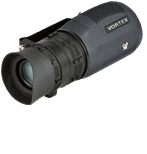
Monoculars are single-lens telescopes. It has its pros and cons that we should consider before we make a purchase.
The benefits of items we carry with us on our trips, expeditions, etc., are determined by their space requirements. In another words - we will not carry three 1-liter bottles when we can take one 3L camelback. Same capacity, but different requirements for the space. Similar thing is with the telescopes. As we know, there are two types – binoculars and monoculars. As for the space requirements, the monoculars are better option. We will reveal more in this article.
One instead of two
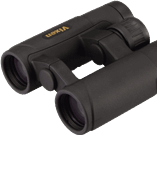
While binoculars allow us to use both eyes (they have two lenses that are held together with a bridge), the monoculars are single-lens telescopes. This could tell us that monuculars are smaller than binoculars. However, this does not have to be entirely true. For example small outdoor binoculars can be smaller than some special monoculars. What is actually monocular ? It is a compact refracting telescope used to magnify images of distant objects, typically using an optical prism to ensure an erect image.
I can see land
All of us remember movies with sailors and pirates where these guys were equipped with telescopes. Do we also remember what telescopes did they use ? They used push-and-pull mechanism so they could extend from 30 cm to 50cm telescope. Why was it like that ? Because of the lens system that offered certain maginification. Theoretically, the longer the telescope, the better the magnification. This was solved with the new designs. Thanks to them the magnification is more effective and we get better results. However, with the monoculars the magnification is still limited.
Different types
There are several types of monoculars. Even nowadays we have "push-and-pull" types, although they are more sophisticated these days. For small trip, where every kilogram is important, we would definitely take some smaller size monocular that does not take much space but still offers good features. For viewing at longer distances (shooting, etc.) we have special monocular telescopes. However, these telescopes are large and heavy and require tripods - so we will not carry them for our adventures. Lastly, we also have so called rangefinders or monoculars with night vision systems.
Let´s choose
The selection depends mainly on the use of the telescope. Every type can offer something different for specific situations. Either way, we should pay attention to general construction. What material is used (metal, carbon alloy...) and types of body coating. What is definitely important is, how much light can enter through the lens, which determinates quality of the image and general experience. Another important feature is the second number we can see with the telescopes and that is lens diameter (8x50 and so on). Some of the more expensives telescopes have usually also anti-fog features. Mainly think about what we are looking for in our telescope, so for example we don´t look for versatility where it is not necessary.